
Home Additions Tampa, FL
Professional home additions in Tampa with full permits and expert design.
Custom Home Building in Tampa
In Tampa, home additions transform existing properties into spaces that fit your family's real needs. Whether you need a new bedroom, expanded kitchen, or accessory dwelling unit, we bring design expertise and Florida building knowledge to every project. Our approach focuses on proper permits, structural integrity, and seamless integration with your home.
How We Work
We handle permits, design, construction, and inspection so your project meets Tampa building codes and flows smoothly from start to finish.
Planning & Permitting
We start by understanding your vision and evaluating your property. Permits in Tampa require detailed site plans, structural calculations, and adherence to Florida Building Code standards. Our team handles the applications and communications with the city so you don't have to.
ADU or accessory unit projects in eligible Tampa neighborhoods demand special attention to lot coverage, setbacks, and utility connections. We verify zoning eligibility and coordinate with the Planning Department before any ground breaks.
Hurricane-resistant construction is mandatory in Tampa. We design foundations, framing, and roof assemblies to meet high wind standards.
Design & Preparation
Once permits are approved, we finalize construction drawings and prepare the site. This phase includes establishing work zones, protecting existing landscaping, and setting up utility access points.
Your home's unique layout and condition shape our approach. We assess foundation, electrical, and plumbing systems to ensure clean connections to the new addition. Neighborhoods like Seminole Heights and South Tampa often have mature lots with distinct features we incorporate into planning.
Construction & Quality Checks
We build systematically: framing, mechanical rough-in, electrical and plumbing installation, insulation, and drywall. City inspectors verify work at each stage. Proper sequencing prevents rework and keeps the project moving forward.
Every connection—roof to wall, new to existing—is detailed and inspected. We use quality materials that stand up to Tampa's heat, humidity, and occasional storms. Your satisfaction and code compliance are non-negotiable.
Finish & Final Inspection
Final inspections cover structural, electrical, plumbing, and mechanical systems. Once approved, we handle painting, trim, flooring, and exterior details. You get a clean, finished space that's fully permitted and ready to use.
We walk through the addition with you, explain all systems, and provide permits and warranties. You're left with a new room or unit that adds real value and functionality to your home.
You'll always know what's happening next—and why.
Our Services
Home additions in Tampa serve different needs. We specialize in all major types.
Master Bedroom & Bathroom Additions
Growing families and remote workers need quiet, private space. A master addition gives you an ensuite bathroom, walk-in closet, and separation from the main home. We design layouts that match your home's architecture and optimize natural light.
Tampa homes benefit from covered porches and passive cooling features. We integrate ceiling fans, cross-ventilation, and high-performance windows into master additions so your new retreat stays comfortable year-round.
Kitchen Expansions & Reconfigurations
Most kitchens need more counter space, better workflow, and an open feel. Kitchen additions expand square footage, relocate plumbing and gas runs, and create sight lines to dining and living areas. If your current footprint won't allow expansion, we can remove walls and add structural support to open up the space.
Homes in areas like Ybor City, Hyde Park, and South Tampa often have charming but cramped original kitchens. Modern electrical and HVAC requirements for kitchen additions include dedicated circuits for appliances and ventilation systems that handle Florida's moisture and heat.
In-Law Suites & Accessory Dwelling Units
Aging parents, adult children, or rental income—an in-law suite or ADU is a practical solution. These units require a separate entrance, kitchenette or full kitchen, full bathroom, and independent utilities. Tampa permits ADUs in eligible neighborhoods including Seminole Heights, Sulphur Springs, and East Tampa Overlay districts.
ADU size in Tampa is capped at 950 square feet. We maximize the layout, handle separate meter installation, and ensure setback and parking compliance. Property owners outside eligible zones can build an Extended Family Residence (EFR) limited to 600 square feet and restricted to family occupancy.
Home Offices & Bonus Rooms
Remote work is now standard. A dedicated home office with proper HVAC, electrical outlets, and internet infrastructure eliminates distractions. Bonus rooms work as art studios, hobby spaces, fitness rooms, or guest suites depending on your needs.
These additions are straightforward build projects that don't require kitchen or bathroom systems. We focus on durable finishes, ample electrical capacity, and climate control so your space stays productive and comfortable throughout Tampa's humid summers.
Why It Matters
A well-built addition adds living space, increases home value, and makes daily life fit your family. Permits and code compliance protect your investment.
Proper Permits Protect Your Home's Value
Unpermitted work creates liability, complicates future sales, and can trigger costly corrections. Tampa's Building Department requires permits for any addition over 500 square feet. Our permits are public record and appear on title, confirming that your new space was built to code.
When you sell, buyers and their lenders ask for permit history. A permitted addition proves that electrical, plumbing, structural, and mechanical work met current standards. Lenders won't finance homes with unpermitted additions, and appraisers reduce value when code-compliance is uncertain.
Expertise in Florida's Building Requirements
Florida Building Code requires additions to address wind resistance, foundation stability, electrical load calculations, and plumbing venting. Tampa's coastal and subtropical environment demands impact-resistant windows, reinforced roof connections, and moisture-resistant materials. Generic contractors can miss these details; we design every addition to survive Florida's climate.
Humidity and heat wear on HVAC systems. We size equipment correctly and run ducts so your addition stays cool without straining your main system. Proper insulation, vapor barriers, and ventilation prevent mold and condensation—critical in Florida.
Design That Fits Your Home & Neighborhood
Additions should enhance your home, not look bolted on. We match rooflines, materials, and proportions to your existing architecture. A one-story addition to a two-story home, or a cramped addition that blocks windows, hurts curb appeal and livability. Thoughtful design solves problems.
Tampa's diverse neighborhoods—from mid-century homes in Riverside to historic craftsman bungalows in Seminole Heights—each have a character. We listen to what matters to you and design additions that look natural and timeless, not trendy or out of place.
Serving Tampa and Surrounding Areas
We work throughout Tampa and Hillsborough County, with deep familiarity of local zoning, building departments, and neighborhood character.
Local Zoning & Permit Knowledge
Each Tampa neighborhood has distinct zoning rules. Setback requirements, lot coverage limits, and architectural guidelines vary by district. We know the differences between single-family, multi-family, and mixed-use zones, and we navigate neighborhood overlay districts that protect historic character.
Working with Tampa's Planning Department and Construction Services since opening, we've built relationships with inspectors and planners. When questions arise, we have direct contacts and understand the city's expectations. This saves time and reduces surprises.
Neighborhood-Specific Experience
Seminole Heights, Hyde Park, South Tampa, Ybor City, Riverside, and downtown Tampa each present distinct challenges. Historic neighborhoods require design review approval. Waterfront areas near the Hillsborough River have environmental permitting layers. We understand what each area demands and plan accordingly.
Whether your lot is small with mature oaks, tight in an urban block, or spacious with expansion options, we've worked in every corner of Tampa. Local experience means we spot potential code issues before they delay your project.
Ready to Get Started?
Contact us to discuss your addition project. We'll evaluate your home and goals, clarify what permits apply, and outline the process. No obligation. No pressure. Just straightforward answers so you can decide what comes next.
Call us or request a free consultation online.
Frequently Asked Questions
Common questions about home additions in Tampa.
Do I need a permit for a home addition in Tampa?
Yes. Any addition over 500 square feet or any project that involves structural, electrical, plumbing, or mechanical work requires a building permit. We handle all applications and inspections.
What if my property is in a historic neighborhood or has design guidelines?
Historic districts and overlay zones require design approval before construction permits. We submit plans for review, work with the Design Review Board, and address feedback so your addition meets neighborhood standards.
Can I build an ADU or in-law suite on my property?
ADUs are permitted in select Tampa neighborhoods including Seminole Heights, Sulphur Springs, East Tampa Overlay, and others. Properties outside eligible zones can build an Extended Family Residence (EFR) limited to 600 square feet and family occupancy. Contact us to verify your location.
Why does my addition need to be hurricane-resistant?
Tampa's coastal location and wind exposure require impact-resistant windows, reinforced roofing, and strong structural connections. Florida Building Code mandates these standards to keep homes safe during storms.
How does an unpermitted addition affect my home's value?
Unpermitted work complicates sales, lowers appraised value, and creates insurance and liability issues. Lenders and home buyers avoid unpermitted properties. A permitted addition is public record and protects your investment.
What's the difference between an ADU and an Extended Family Residence?
An ADU can be up to 950 square feet and house unrelated occupants if in an eligible Tampa neighborhood. An EFR is limited to 600 square feet and restricted to family members only. We help you determine which option applies to your property.
DISCOVER WHAT OUR CUSTOMERS HAVE TO SAY ABOUT US
REVIEWS
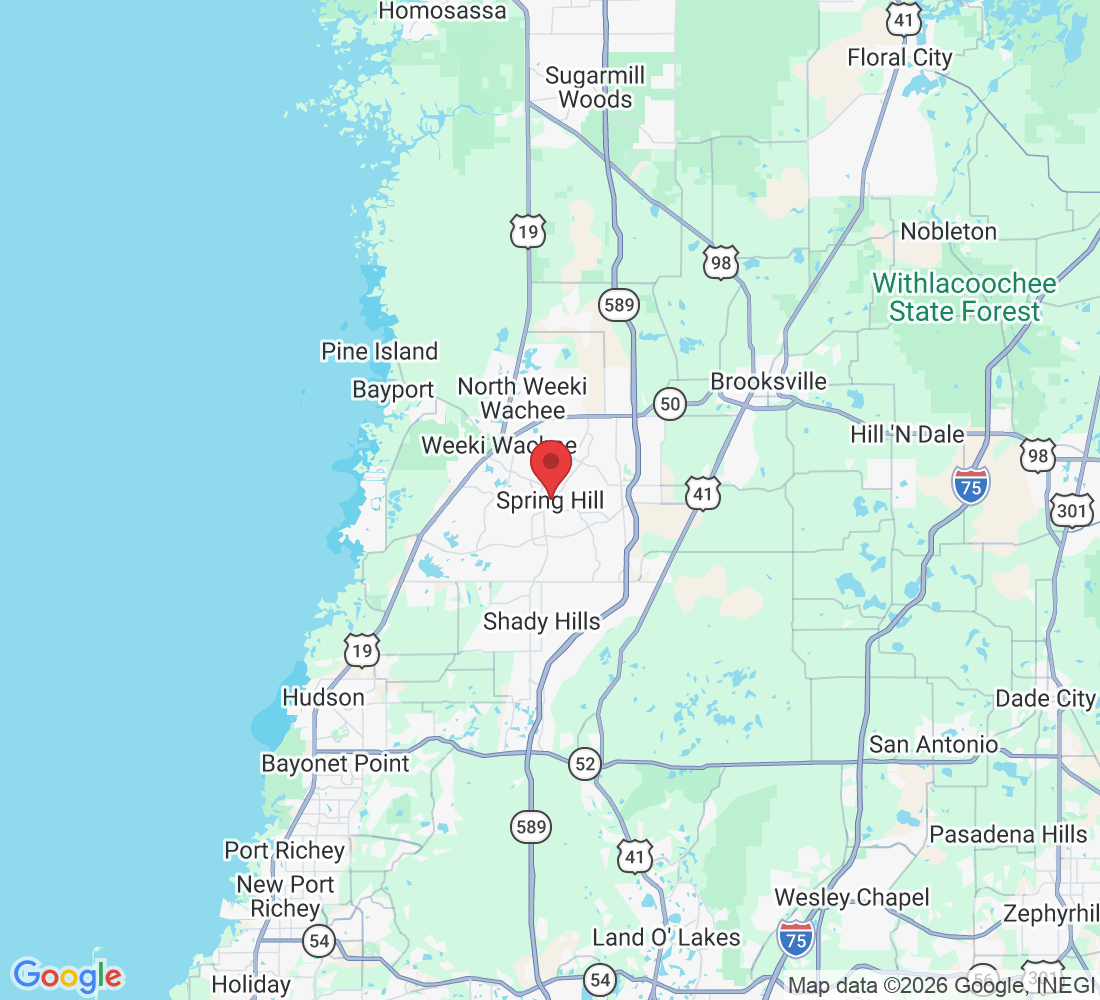
proudly serving these areas
Tampa, FL
Saint Petersburg, FL
Clearwater, FL
Odessa, FL
Trinity, FL
Palm Harbor, FL
Wesley Chapel, FL
Lutz, FL
READY TO take the next step?
get a free quote TODAY!

QUICK LINKS
our services
service areas
operating HOURS
Mon: 8:00 am - 5:00 pm
Tue: 8:00 am - 5:00 pm
Wed: 8:00 am - 5:00 pm
Thu: 8:00 am - 5:00 pm
Fri: 8:00 am - 5:00 pm
Sat: Closed - Closed
Sun: Closed - Closed